
COMMERCIAL DAMPPROOFING & WATERPROOFING | NKY + GREATER CINCINNATI
Dampproofing vs. Waterproofing for Commercial Buildings
They are not interchangeable processes and services.
Dampproofing vs waterproofing comes down to the water exposure a commercial building faces. Dampproofing helps resist soil moisture. In contrast, a waterproofing system can resist liquid water under pressure when its design supports that exposure.
That pressure, called hydrostatic pressure, develops when water builds up against a structure. Therefore, confirm site conditions and project specifications before choosing a system. Also, coordinate drainage, joints and penetrations before installation.
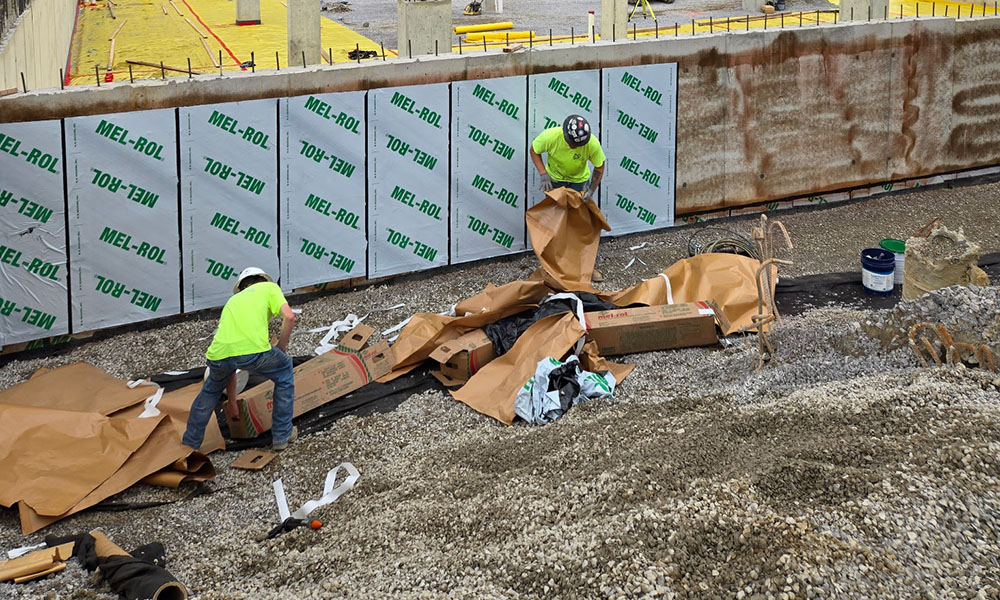
PSI tradesman worker applying waterproofing to a commercial concrete foundation wall in Northern KY.
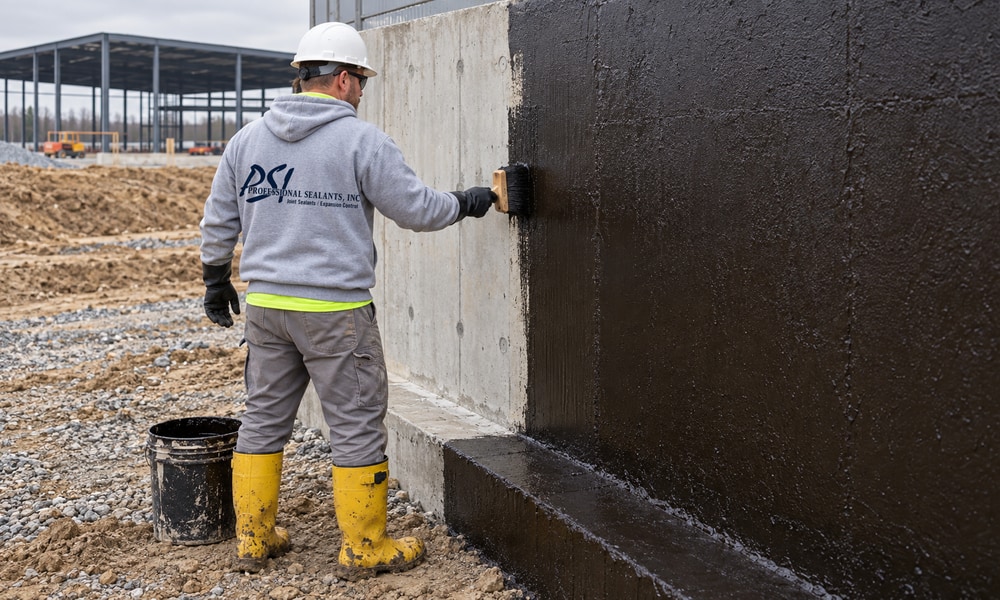
PSI tradesman worker brush-applying water repellent to a commercial concrete foundation wall in Cincinnati.
GET THE SCOPE RIGHT
Waterproofing and dampproofing are different scopes.
Both address moisture. The expected water exposure determines what the assembly needs to resist.
Dampproofing
Intended to resist soil moisture where water pressure is not expected. It is not a substitute for a waterproofing system specified to resist water under pressure.
Waterproofing
A system intended to resist liquid water, including water pressure when designed for that condition. Selection depends on site conditions, the structure and the project requirements.
Dampproofing vs Waterproofing: Key Differences
Compare the protection each system provides before defining your commercial project scope.
| Consideration | Dampproofing | Waterproofing |
|---|---|---|
| Primary purpose | Resist moisture from soil. | Resist liquid water. |
| Water pressure | Not designed to resist hydrostatic pressure. | Can resist hydrostatic pressure when the selected system supports that exposure. |
| Cracks and movement | Do not assume a dampproofing coating can bridge cracks. | Crack-bridging ability depends on the product and installation details. |
| System selection | Confirm that site conditions and project specifications allow dampproofing. | Match the system to the structure, water exposure and project specifications. |
Hydrostatic pressure means the pressure of water against a structure. Confirm performance against the project specifications and the selected manufacturer’s requirements.
Technical reference: W. R. Meadows moisture-protection guide.
Dampproofing vs Waterproofing vs Water Repellents in Northern Ky & Greater Cincinnati
They may both be water repellant processes, but they are not the same requirements & are used for 2 different types of commercial building envelope needs.
The main difference between dampproofing and waterproofing is the water exposure each system addresses. Dampproofing helps resist moisture from soil. In contrast, waterproofing systems can resist liquid water under pressure when designed for that exposure.
Because the two systems serve different conditions, choosing the right scope matters before pricing and installation.
→ Waterproofing
A system designed to resist liquid water, including hydrostatic pressure when the selected system supports that exposure.
→ Dampproofing
A coating that limits soil-moisture penetration through foundation walls where hydrostatic pressure is not expected.
→ Water Repellents
Masonry Water Repellent treatments that reduce rainwater absorption into exposed brick, concrete and masonry. Typical penetrating products allow water vapor to escape and do not replace specified foundation dampproofing or waterproofing.
Learn More: Explore Commercial Dampproofing →The hydrostatic-pressure distinction is supported by the International Building Code and recognized building-science guidance. Building Science Corporation
PROJECT QUESTIONS
Before you request a bid.
What is the difference between dampproofing and waterproofing?
Dampproofing resists soil moisture intrusion where hydrostatic water pressure isn’t expected. Waterproofing resists liquid water and hydrostatic pressure. The required system depends on site conditions, plans, project specifications, governing requirements, and manufacturer requirements. Dampproofing also limits moisture absorption and capillary movement where hydrostatic pressure isn’t expected. Waterproofing is the more robust system used where liquid water may act under hydrostatic pressure. The correct approach also depends on site and groundwater conditions, drainage, project specifications, and applicable code.When is dampproofing appropriate for a commercial foundation?
Dampproofing may be appropriate where the foundation needs protection from soil moisture, hydrostatic pressure is not expected, and the project specifications permit it. Confirm groundwater conditions and drainage before selecting the system.
When does a commercial project need waterproofing?
Waterproofing is needed when the design requires protection against liquid water, including hydrostatic pressure where applicable. Select a system suited to the anticipated exposure, substrate, joints and penetrations..
Does drainage replace waterproofing??
No. Drainage moves water away from the structure. Waterproofing provides a barrier against water entry. Drainage supports the moisture-control design but does not replace a specified waterproofing system.
What should estimators confirm before pricing?
Confirm the specified system, water exposure, substrates, joints, penetrations, quantities, access and installation schedule. If the system has not been selected, send available drawings and identify unresolved requirements. Final system selection should follow the project design documents and manufacturer guidance. What if the waterproofing system has not been selected? Send the project location, drawings and known site conditions. Identify any open scope questions. Final system requirements should follow the project’s design documents and the selected manufacturer’s guidance.LOCAL ROOTS. REGIONAL COMMERCIAL WORK.
Commercial Markets Across the Region
PSI supports commercial, industrial, warehouse, education, healthcare and municipal project environments. Based in Fort Mitchell, Kentucky, PSI serves Northern Kentucky, Greater Cincinnati, nearby Eastern Indiana and qualified commercial projects within approximately 250 miles.
Keep Related Scopes Clear
Waterproofing, dampproofing, water repellents, air barriers, joint sealants and expansion joints solve different project needs. Include every applicable section so PSI can review the requested scopes in context.
FOR ESTIMATORS & PROJECT MANAGERS
Bring PSI in while the scope is taking shape.
A useful bid conversation starts with the right project information. Tell us what needs protection and when the work needs to happen.
01
Location & dates
Project name, city, bid due date and anticipated work schedule.
02
Drawings & specifications
Waterproofing or Dampproofing locations, specified system and approximate areas when available.
03
Conditions & sequence
Existing conditions, access limits and the timing of adjacent work or backfill.
What changes when the scope waits
- Less access to inspect or prepare surfaces
- Less flexibility around transitions and interfaces
- More coordination pressure near installation
- Greater callback and rework exposure when details are missed
FOR ESTIMATORS & PROJECT MANAGERS
Give PSI What It Needs for a Productive Bid Review
Clear project information reduces back-and-forth and helps PSI determine whether the opportunity fits its services and regional coverage.
Include when available
- Project name & location
- Bid due date & anticipated schedule
- Plans, specifications & applicable addenda
- Waterproofing scope & known assemblies
- Approximate quantities
- Photos or marked drawings for existing conditions
- Access, phasing or sequencing restrictions
- Your contact information
LET’S TALK ABOUT THE SCOPE
Have a commercial damp proofing or waterproofing project?
Send PSI your project location, plans, specifications and bid due date so we can review the required scope.
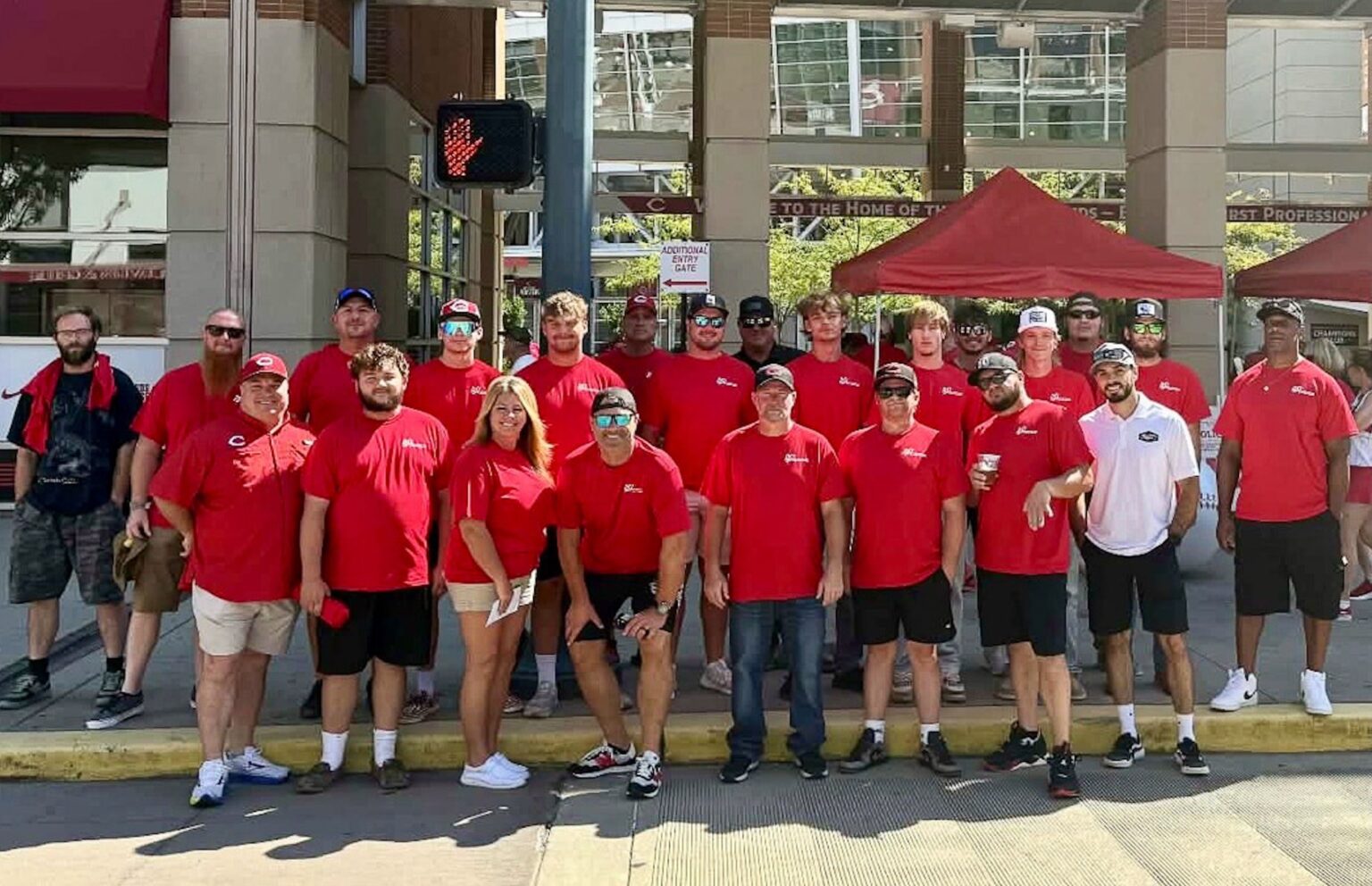
Build Your Career With PSI
- Advancement Opportunities
- Competitive Pay
- Benefits & Paid Time Off
- Company Vehicles & Tools
- Paid Travel / Per Diem
- Work With a Great Team